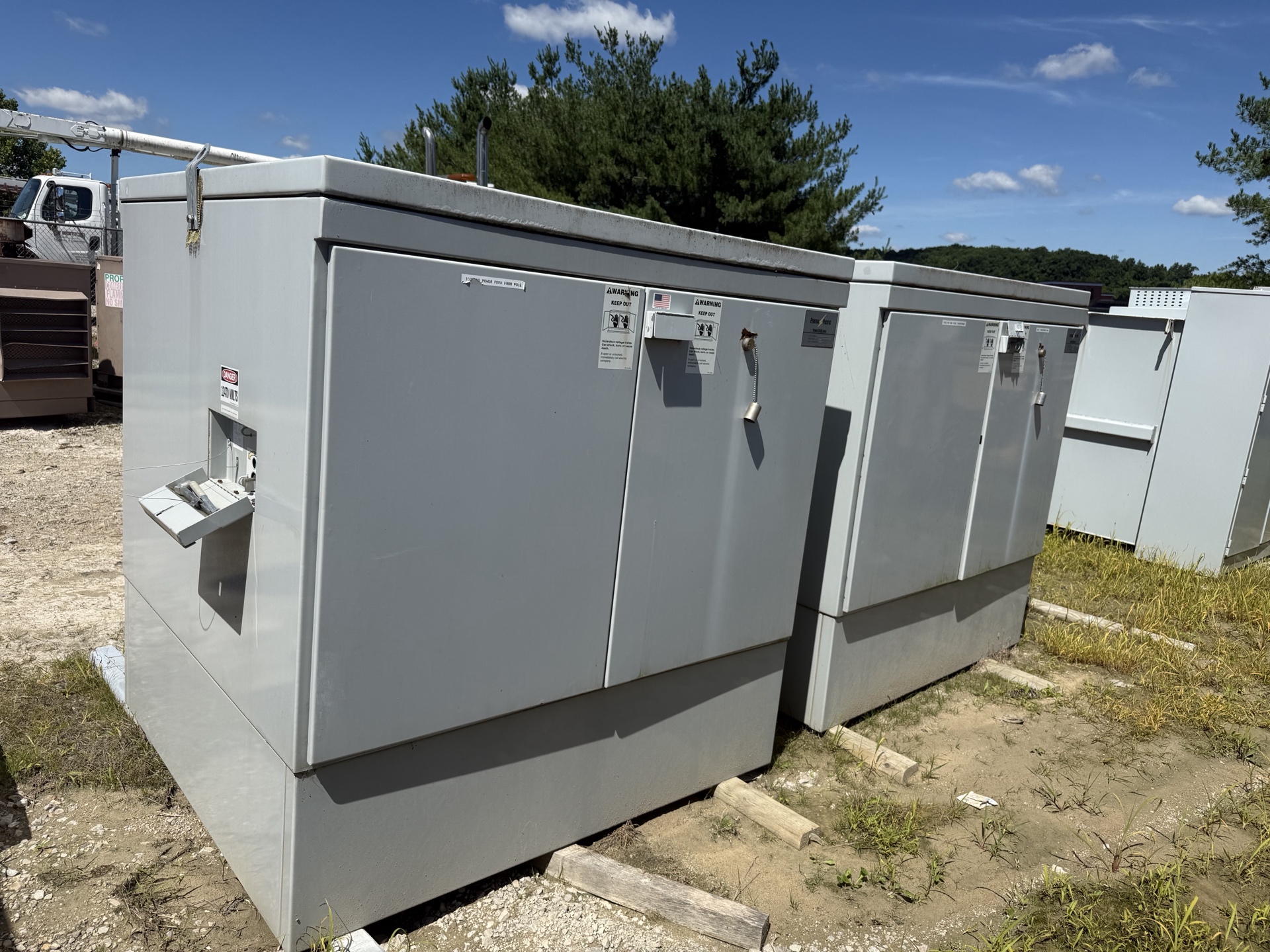
Define the power equipment under consideration
Identify the distribution panels intended for possible sale as power equipment, and distinguish them from communications racks, network devices, monitoring hardware, and unrelated control equipment that will remain. If panels and retained hardware share an enclosure or lineup, describe that boundary using existing asset labels, drawings, or a plain-language inventory rather than altering the installation. State whether the proposal covers complete panels or selected, already identifiable assets. Do not remove covers, separate equipment, or rearrange anything to clarify scope. An assessment can begin from the information safely available; the buyer may ask follow-up questions before deciding whether a specific group is suitable for purchase.
Keep sensitive records out of the package
Useful existing records may include asset schedules, one-line diagrams, panel schedules, maintenance documents, and available photographs. Review them for credentials, network details, personal data, security layouts, and other restricted information before sharing. Provide only records your organization is authorized to release, and redact sensitive material where appropriate without obscuring the equipment identity or relevant rating fields. Communication hardware may contain configuration or operational data; do not include its records merely because it occupies the same area as the panels. If ownership boundaries or document permissions are unclear, resolve them internally first. No new measurements, testing, or record creation is required from the seller.
Report ratings precisely—and flag gaps
Use existing labels and records to report ratings only where they are legible and attributable to the specific equipment. Keep nominal system voltage separate from assembly voltage, and distinguish continuous-current rating from a device’s frame, trip, and interrupting ratings. These figures answer different questions and should not be treated as interchangeable or as proof of compatibility. If a value is absent, conflicting, or uncertain, mark it unknown rather than estimating it. Exterior nameplate photographs can help establish identity, but only from a site-authorized safe position and only when the exterior is already safely accessible. Do not open a cabinet or obtain interior photographs.
Set boundaries for retained and excluded assets
List communication hardware, controls, accessories, spare parts, and any adjacent equipment that are expressly excluded from the proposed sale. Note whether panel identification is shared across records or whether the physical boundary between assets needs clarification; do not imply that the buyer will take an entire room or lineup. Include known access restrictions and any site conditions that could affect a later handover, without exposing security-sensitive details. An assessment is not a commitment to accept every panel or associated item. The buyer evaluates each proposed purchase individually, and any accepted scope must be agreed before removal arrangements are made.
Plan a controlled handover without seller handling
For an agreed purchase, the buyer covers necessary crane, rigging, disconnects, loading, freight, and hauling; the seller does not hire or pay a removal crew. Confirm site access, scheduling, work permits, escort rules, and any required coordination with the facility’s responsible personnel before work is planned. All electrical work must be performed by qualified, authorized personnel under site rules. Never approach, touch, operate, test, disconnect, remove, or move equipment that is energized or potentially energized. Seller staff need not test, measure, stage, or prepare panels. This arrangement concerns agreed equipment removal, not unrelated demolition or hazardous-material remediation.
Request an offer with practical information
Send the equipment identity, available authorized records, proposed inclusions and exclusions, general access constraints, and safe exterior photographs where permitted. Photos must show only safely accessible exteriors and exterior labels or nameplates, taken from site-authorized safe positions; never photograph inside a cabinet or with a door open. The buyer makes cash offers and pays upfront for purchases that both parties agree to, subject to the specific transaction terms. Offer amount, acceptance, and timing are assessed case by case and are not guaranteed. No seller testing is required, and the buyer considers equipment across all voltage classes, including eligible assets from decommissioned data centers and shut-down power plants.