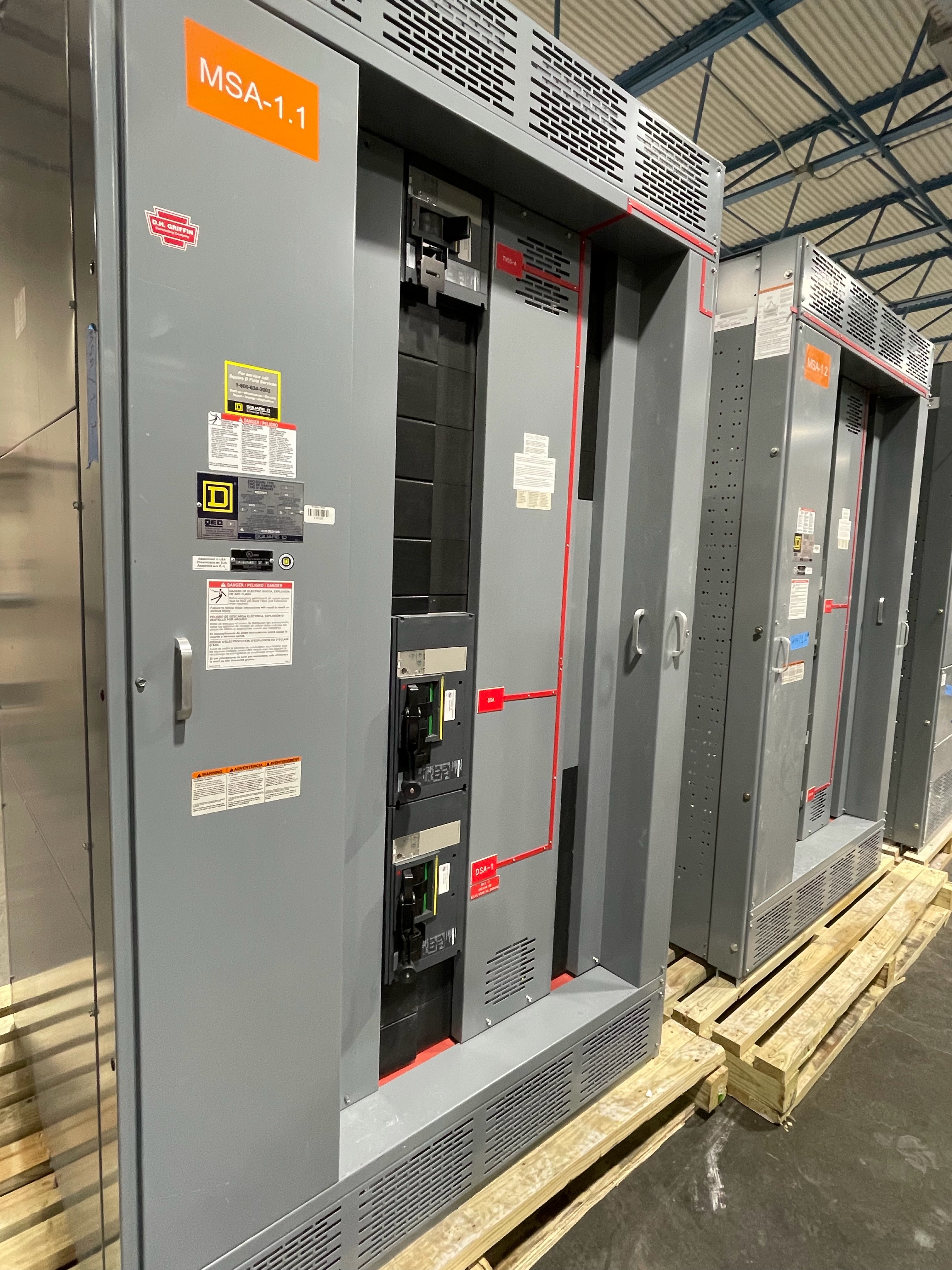
Separate observed exposure from assumptions
For a water-exposed switchboard, record what existing site documentation says: the reported date or period, affected area, water source if established, and any known contact with the equipment exterior. Distinguish firsthand observations from estimates and unresolved questions; do not describe internal condition unless documented by an authorized inspection. Do not approach, touch, operate, open, test, disconnect, remove, or move equipment that is energized or potentially energized. Photographs are optional and should show only safely accessible exteriors and exterior labels or nameplates, taken from site-authorized safe positions. Never open a cabinet or take internal photos for a purchase inquiry. Unknown condition can remain unknown; do not create new evidence by handling equipment.
Confirm who can release the asset
Before discussing handover, ask the property owner or authorized representative whether the switchboard is available for sale and who can approve its release. If an insurer is involved, confirm whether it has a role in the proposed disposition and what documentation or consent it requires. A buyer should not infer ownership, authority, or legal effect from a claim record, site conversation, or equipment location. Request written confirmation from the relevant parties where appropriate, and allow the owner and insurer to resolve their own requirements. If authority is unclear, pause the transaction discussion rather than schedule removal. This is a practical verification step, not a legal conclusion about anyone’s rights.
Use records without asking for seller testing
Useful existing material may include equipment schedules, purchase or maintenance records, prior inspection reports, incident documentation, and exterior nameplate information already available to the seller. Share copies only if authorized, and mark uncertain or missing details clearly. No seller testing is required to request an assessment, and sellers should not take measurements, stage equipment, fabricate parts, or commission new work for us. Any electrical evaluation or site work must be performed by qualified, authorized personnel under applicable site rules. Records may help distinguish documented facts from unknowns, but they do not establish that a water-exposed switchboard is serviceable, complete, or suitable for reuse. We assess the proposed purchase individually.
Keep ratings and scope distinct
When existing records state ratings, keep each value tied to its stated meaning. Nominal system voltage is not automatically the assembly’s voltage rating; continuous current is not a device frame or trip rating; and none of these establishes interrupting rating or compatibility. Do not fill gaps by inference from a label, nearby equipment, or a similar-looking assembly. A proposed purchase may depend on identification, completeness, exposure documentation, ownership authority, and removal feasibility, among other factors. Some components may be excluded or require separate review. An inquiry does not mean we will accept the switchboard, and no particular price or transaction timing is guaranteed. We make cash offers after assessing each opportunity; any purchase requires mutual agreement.
Agree on removal before scheduling
For an agreed purchase, the buyer covers necessary crane, rigging, disconnects, loading, freight, and hauling as arranged for that transaction. The seller does not hire or pay a removal crew. Confirm access, site rules, scheduling contacts, release authority, and the approved scope before any work is planned; responsibilities and logistics are specific to the agreed purchase. Electrical work must be handled only by qualified, authorized personnel under site rules. Never ask a seller to disconnect, stage, or move a switchboard. A purchase of electrical equipment does not include unrelated demolition or hazardous-material remediation, so those matters must not be assumed to be part of the handover.
Request an assessment with known facts
Send the Woodstock-area site location, a concise description of the switchboard, the records available, what is documented about water exposure, and the status of owner and insurer release discussions. If safe and permitted, include exterior-only photographs and exterior nameplate images from authorized safe positions; do not open a cabinet or approach potentially energized equipment to obtain them. We buy surplus and decommissioned equipment across all voltage classes, including from decommissioned data centers and shut-down power plants. If we agree to buy, payment is made upfront for that agreed purchase. The offer, acceptance, payment arrangement, and timing are assessed individually; submitting information creates no acceptance or price commitment.