Start with what each rating describes
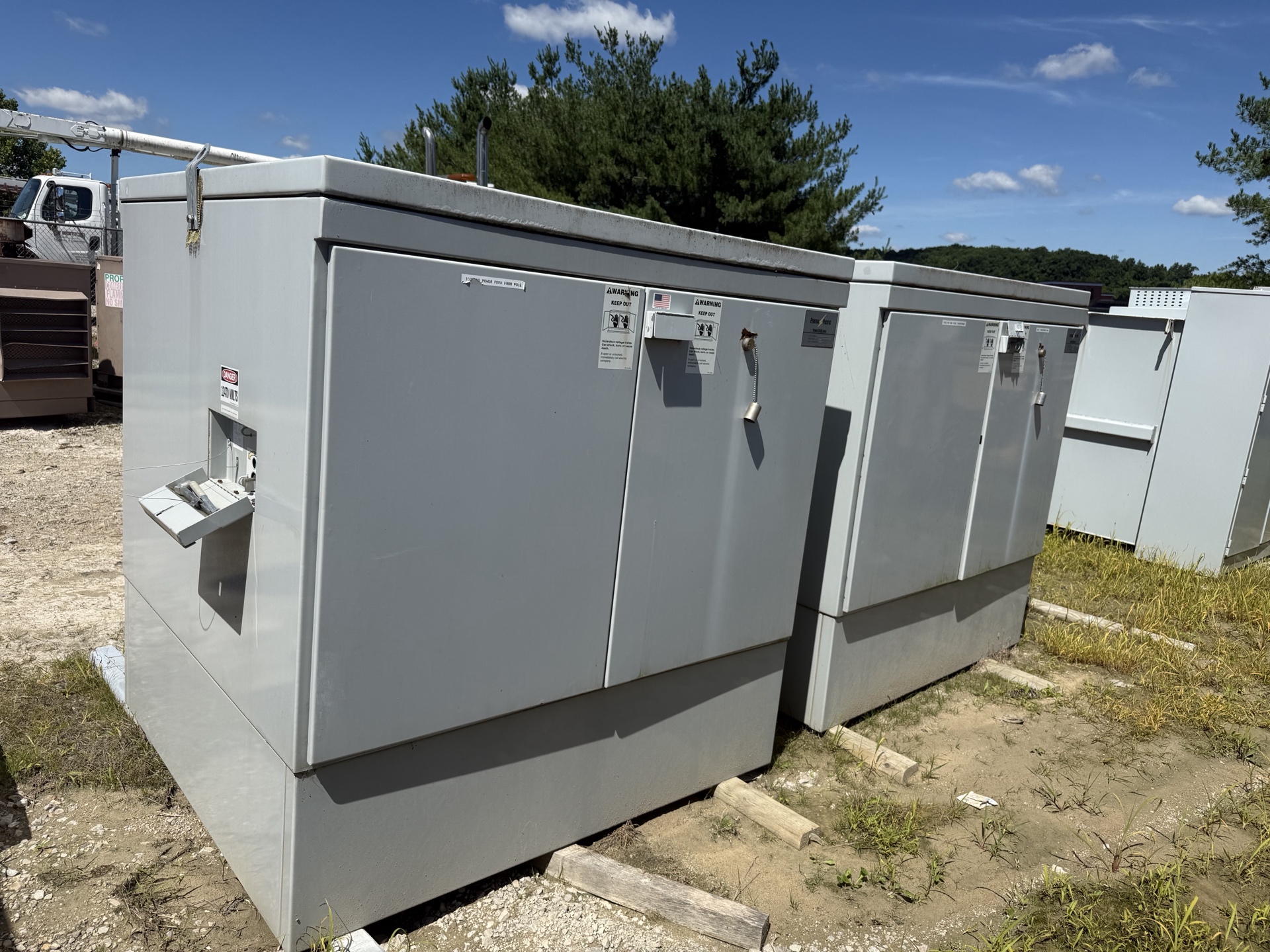
Do not treat the two figures as a matched specification without supporting records. A 12,470 V reference may describe the nominal system voltage, while a separate nameplate states the equipment or assembly voltage; those are not interchangeable labels. Likewise, 1,200 A may refer to assembly continuous current, but it could instead appear in a device or other rating context. Breaker frame and trip values are distinct from assembly current, and interrupting rating is another separate characteristic. A buyer assessment uses the recorded context, not a guess from a headline or a single number. If a record does not identify what a value applies to, mark it as unconfirmed.
Build a record-based description
Useful starting material may include existing exterior nameplate details, equipment schedules, one-line diagrams, purchase or maintenance records, and utility correspondence already held by the owner. Share only records that are available; no new measurements or testing are required. Keep each value tied to its source and equipment identifier, and note whether the document calls it nominal system voltage, assembly voltage, continuous current, frame, trip, or interrupting rating. Existing photos may show safely accessible exterior surfaces and exterior labels only, taken from positions authorized by the site. Do not open a cabinet or obtain interior views. Missing records are an assessment uncertainty, not a reason for a seller to inspect or alter equipment.
Utility interface and site approval are separate questions
Outdoor customer-owned switchgear can raise boundary and authorization questions that ratings alone cannot answer. Existing utility-interface documents may clarify ownership, operating responsibility, or approval steps, but an equipment listing or voltage marking does not establish acceptance for a particular connection. The site owner should identify any required utility, engineering, safety, or property approvals through the responsible parties. A buyer can consider documented information as part of an individual purchase review; that review does not certify the equipment, confirm compatibility, or replace utility approval. If the ownership boundary or permission to release the asset is unclear, resolve that through authorized site channels before arranging a handover.
Weigh condition, completeness, and uncertainty
Assessment depends on more than a pair of ratings. Existing records can help identify whether the proposed asset is an assembly, a breaker, or associated components, and whether the equipment is complete enough to evaluate. Missing nameplates, uncertain ownership, undocumented modifications, or incomplete records may narrow what can be concluded and affect whether an offer is appropriate. Do not infer voltage class, interrupting capability, condition, or compatibility from appearance or one rating. We buy equipment across all voltage classes, but that does not mean every asset or configuration will be accepted. Each opportunity is reviewed individually, with no guaranteed price or decision date; the seller need not test or prepare the equipment.
Plan a controlled handover
For an agreed purchase, the buyer covers the necessary crane, rigging, disconnect work, loading, freight, and hauling as arranged for that transaction. The seller does not have to hire or pay a removal crew. This is an equipment handover, not a commitment to demolish surrounding structures or address hazardous materials. Before scheduling, the parties should agree on access, timing, site requirements, responsibility boundaries, and the equipment included. Any electrical work must be carried out only by qualified personnel authorized for that work and operating under site rules. No seller should approach, touch, open, operate, disconnect, remove, or move equipment that is energized or may still be energized.
Request an assessment without field work
Send the equipment description, available rating records, ownership or release information, and any known site-access constraints. If you include photos, limit them to exterior views and exterior labels captured from site-authorized safe positions; never open a cabinet or photograph its interior. Do not arrange seller testing, measurements, staging, or disconnection to support a request. After reviewing the information, the buyer may make an individual cash offer. If both parties agree, payment is made upfront for that purchase and removal logistics are coordinated under the agreed terms. An inquiry does not obligate either party, and an assessment may conclude that the records or circumstances do not support a purchase.