Read the ratings as separate facts
A 240 V entry might describe nominal system voltage or equipment nameplate voltage; those are different facts and should not be substituted for one another. Likewise, a 1,200 A figure could refer to an assembly’s documented continuous-current rating, but it does not establish a breaker’s frame or trip rating. An interrupting rating is another separate value. We report each only when supported by existing records or safely accessible exterior nameplates. Do not infer a voltage class, component pairing, compatibility or capacity from a pair of numbers alone.
Why a replacement can leave equipment available
When an owner replaces equipment, a switchboard or related assembly may be retired even if its history and condition are not fully known. A buyer can consider that equipment without assuming it remains serviceable or suitable for another installation. The purchase assessment may account for documented ratings, completeness, age information if recorded, condition descriptions, and the practical scope of removal. We consider equipment across every voltage class and may assess assets from decommissioned data centers and shut-down power plants. An assessment is not a promise to accept a particular item.
Records that make an assessment clearer
Useful existing material can include equipment schedules, one-line diagrams, prior inventory entries, nameplate transcriptions, and records identifying what was removed or retained during replacement. Share only information you are authorized to disclose. If records conflict or use unclear labels, flag the discrepancy rather than resolving it by guesswork. No seller testing, measuring, fabrication, staging or special preparation is needed to request review. A record may help distinguish assembly continuous current from device frame, trip and interrupting ratings, but it does not independently confirm present condition or compatibility.
Exterior photographs and safety boundaries
If site rules permit, photographs may show safely accessible equipment exteriors and exterior labels or nameplates from an authorized safe position. Do not open a cabinet or take interior images. Never approach, touch, open, operate, test, disconnect, remove or move equipment that is energized or could still be energized. Electrical tasks and any determination of electrical status belong only to qualified, authorized personnel acting under the facility’s rules. If a safe viewing position is unavailable, rely on existing records instead; a photo is optional, not a prerequisite for an initial purchase assessment.
What affects an offer—and what remains unknown
Value can depend on the specific equipment offered, its documented ratings and identity, apparent exterior condition where safely visible, completeness, and the removal and transport scope. Missing records, uncertain ownership, unknown internal condition or unresolved rating conflicts can limit what can responsibly be concluded. The listed 1,200 A and 240 V values do not establish market value or assure a buyer’s acceptance. Each proposed purchase and each acceptance is assessed individually; neither a particular price nor a response or removal date is guaranteed. Hazardous-material remediation and unrelated demolition are outside the purchase assessment.
Payment and removal for an agreed purchase
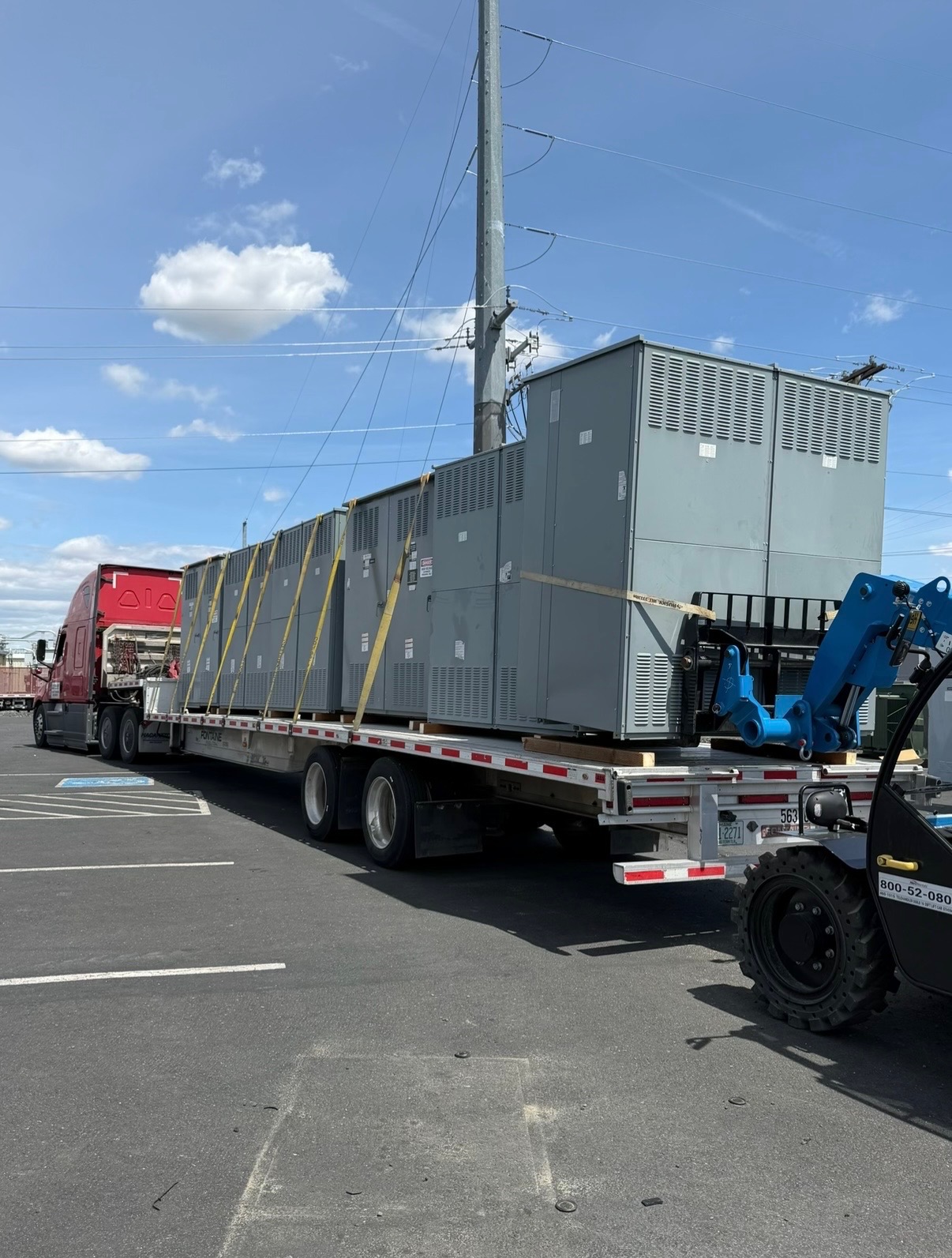
For a purchase both parties agree to, the buyer makes a cash offer and pays upfront under the agreed transaction terms. The buyer also covers necessary crane, rigging, disconnects, loading, freight and hauling for that purchase. The seller is not expected to hire or pay a crew to carry out that removal. The scope, access arrangements and sequence should be agreed before work begins and coordinated with the site’s authorized representatives. Payment and removal terms apply to an accepted purchase, not to every inquiry or asset submitted for review.
A practical Georgia handover discussion
To start, identify the equipment as recorded, describe its status following replacement, and share available documents plus any safe exterior images. Note what remains uncertain, including whether the ratings refer to the system, assembly or individual devices. We can then discuss whether the item is a candidate for an offer and, if accepted, plan logistics with the site. Location in Georgia does not change the need to follow facility access controls and authorized electrical procedures. No seller should prepare, handle or alter equipment to make it easier to review or remove.