Keep system voltage and equipment ratings distinct
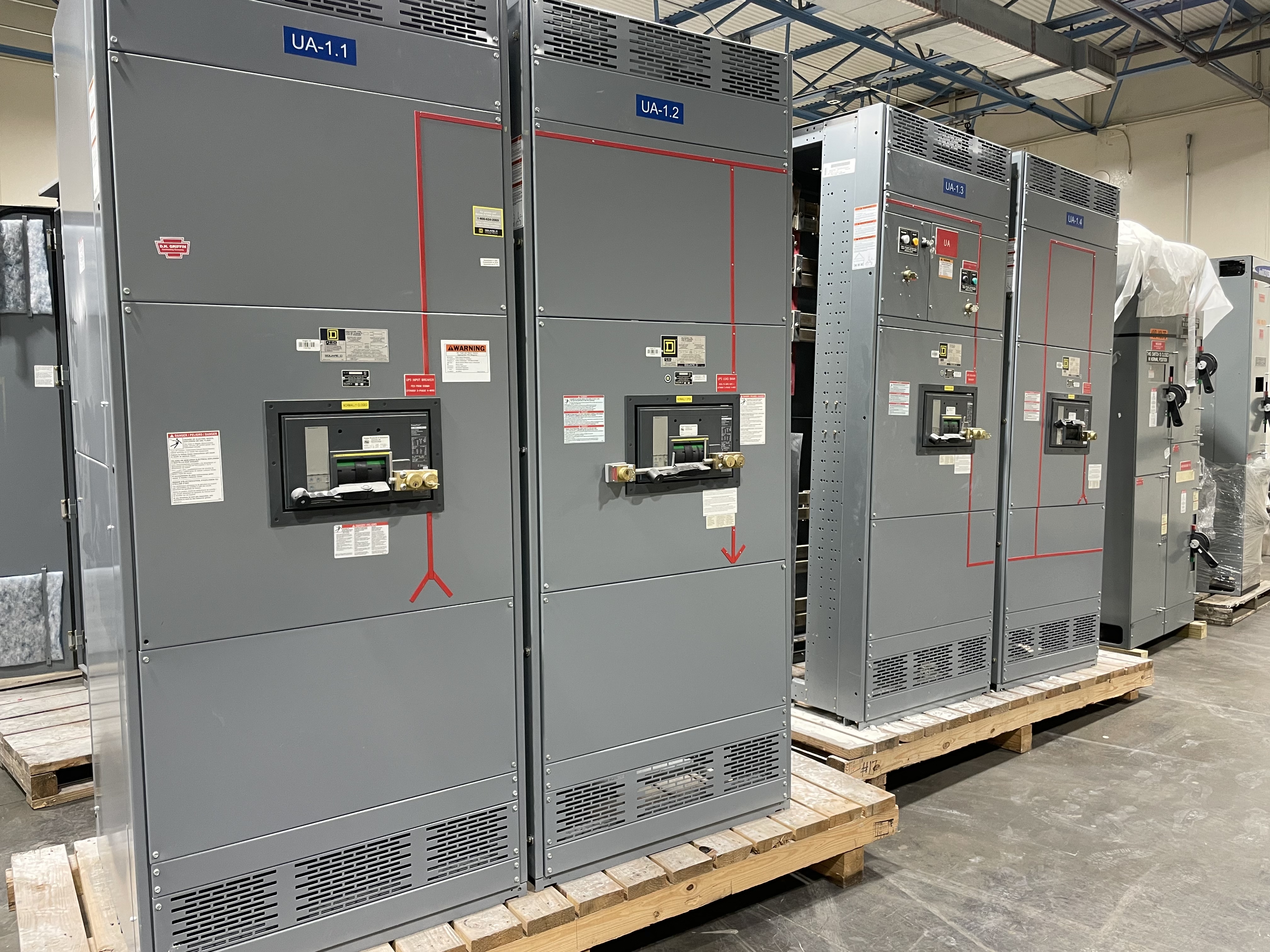
A building record may identify a nominal 120/208 V system, while a switchboard nameplate may state a different equipment voltage rating or provide other information. An 800 A reference could describe an assembly rating, a breaker frame, or another value; it should not be treated as the assembly’s continuous-current rating without supporting records. Breaker trip and interrupting ratings are separate details, too. We report each value only when established by existing documentation or safely accessible exterior markings. Do not infer compatibility, electrical class, or a complete rating combination from a service description alone.
Use records to establish what is being offered
Useful records can include equipment schedules, one-line diagrams, asset registers, prior bid or purchase documents, and available nameplate transcriptions. They may clarify which assembly a rating belongs to and whether a breaker listing refers to frame, trip, or interrupting capacity. Records can be incomplete, outdated, or tied to a later building configuration, so uncertainties should remain visible rather than being filled in by guesswork. A seller does not need to test or measure equipment for an initial assessment. Share existing information and identify any conflicting descriptions; we evaluate each proposed purchase individually.
Sort out multi-tenant ownership before discussing scope
In a multi-tenant property, equipment serving shared areas, one tenant, or several suites may fall under different ownership or lease obligations. A panel’s location or the loads it appears to serve does not by itself establish who owns it or may authorize its sale. Identify the proposed asset by available tag, room or area reference, and records, then confirm that the party approving a sale has authority over it. Note exclusions such as utility-owned equipment, tenant property, or assets retained for another occupant where applicable. Do not ask anyone to inspect equipment physically to resolve a boundary question.
Describe condition without creating a site hazard
An assessment can begin with records and, if site rules allow, photographs limited to safely accessible exterior surfaces and exterior labels or nameplates. Photos must be taken from positions authorized by the site; do not open a cabinet or photograph interior parts. Never approach, touch, open, operate, test, disconnect, remove, or move equipment that is energized or could be energized. Electrical work, when required for an agreed transfer, is restricted to qualified personnel authorized by the responsible site party and must follow site procedures. No seller testing, measurements, staging, or equipment preparation are required to request an assessment.
Compare the practical tradeoffs
Clear documentation and a well-defined ownership scope can make an offer assessment more straightforward, but they do not guarantee acceptance, a particular price, or a completion date. Uncertainty about voltage markings, current ratings, tenant rights, access restrictions, or retained components may affect whether an asset can be considered as proposed. Keep useful records intact and explain what is known versus unknown; do not alter labels or assemble a rating from separate devices. We consider used, surplus, and decommissioned electrical equipment across all voltage classes. Each offer and acceptance is evaluated on its own facts, without a promised market value or schedule.
Agree on removal responsibilities before handover
For an agreed purchase, the buyer pays upfront and makes a cash offer; payment terms and scope are confirmed for that specific transaction. The buyer also covers necessary crane service, rigging, authorized disconnect work, loading, freight, and hauling under the agreement. The seller does not need to hire or pay a crew to carry out the agreed removal. Access, sequencing, permits, and work windows should be coordinated with the party controlling the site. These arrangements concern the purchased equipment only; they do not include unrelated demolition or hazardous-material remediation.
Request an assessment with a clear record
To start, provide the Georgia location, the equipment description used in existing records, any available rating information, and who can authorize a sale. Flag whether 800 A refers to an assembly or a device marking, and whether 120/208 V is a nominal system value or appears on an equipment nameplate—only where records establish that distinction. You may include exterior photos only when the equipment is safely accessible and site-authorized. Do not prepare, test, open, or move anything. A review is not a commitment to buy; any purchase, scope, price, and timing must be agreed individually.