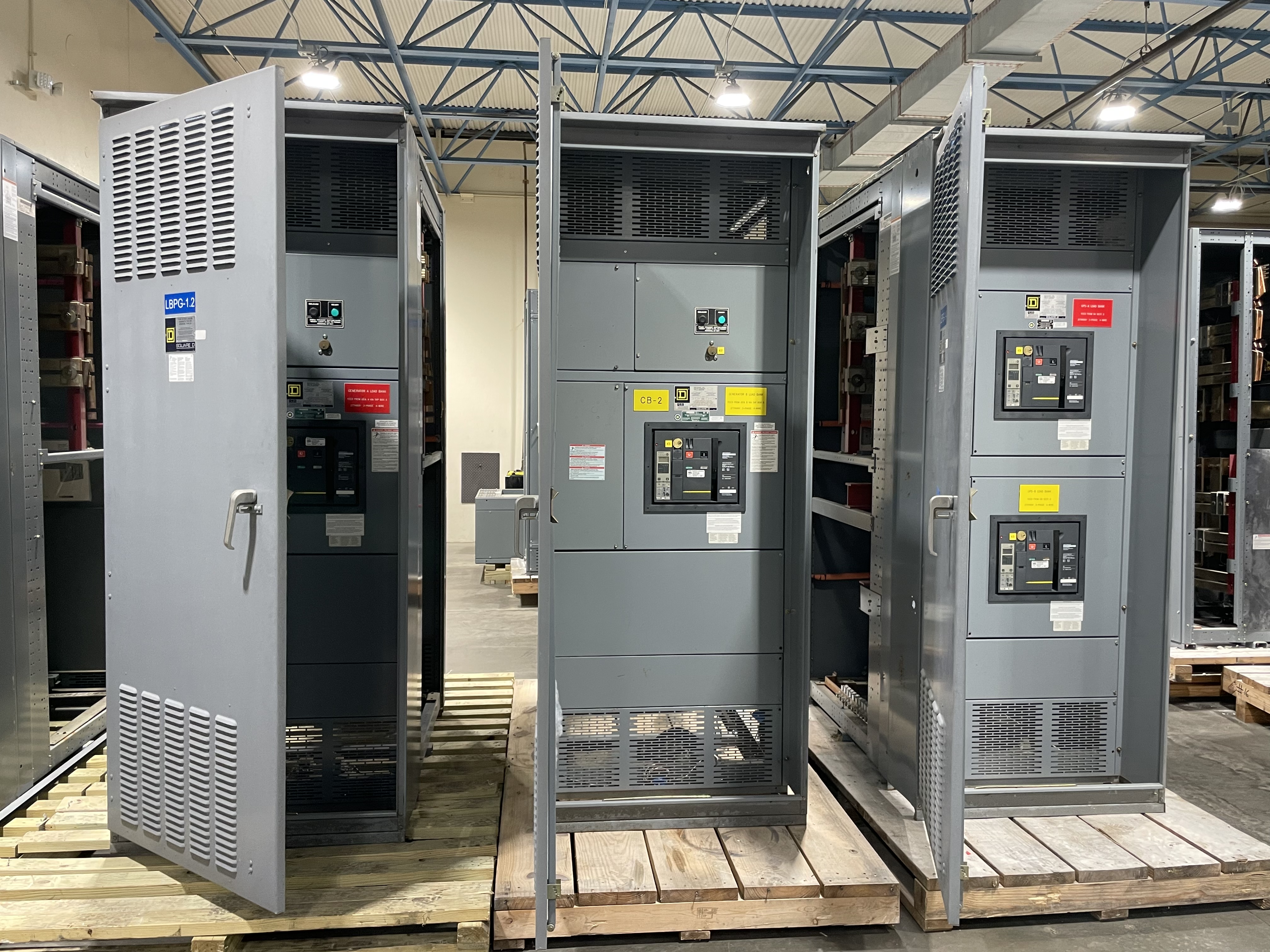
Read the ratings as separate facts
Start with existing drawings, schedules, asset lists, and manufacturer documentation rather than combining markings into a single specification. A 480 V entry might describe nominal system voltage, while an equipment nameplate states the assembly’s voltage rating; they are related records, not interchangeable descriptions. Likewise, an 800 A figure should be attributed to its documented subject. Assembly continuous-current rating, breaker frame size, trip setting or rating, and interrupting rating are distinct values. Record each only when the source identifies it clearly. If documents conflict, are incomplete, or refer to different sections, identify the discrepancy instead of resolving it by guesswork. No one rating alone establishes suitability or compatibility.
Build a useful record packet
For an initial assessment, share available one-line diagrams, equipment schedules, nameplate transcriptions, prior inventory records, and drawings showing the lineup’s sections and connections. Include document dates or revision identifiers when known, since a record may describe an earlier configuration. Note whether 800 A or 480 V appears on an assembly label, a breaker record, a system drawing, or another source; do not reassign a value to a different component. Missing files are not a reason to conduct seller testing or measurements. The buyer can consider the information on hand and identify questions that affect an offer. Any review remains subject to the actual assets and an individually assessed agreement.
Account for the constrained dock
A multi-section switchboard and a tight dock can make removal planning as important as the records. Useful existing information may include access restrictions, dock dimensions or limits already documented by the facility, permitted work windows, and the route to an approved loading point. Sellers need not measure, stage, dismantle, or prepare equipment to request consideration. Describe known constraints and uncertainties; do not infer that a lineup can pass through a route or be handled as one piece. Under an agreed purchase, the buyer covers the necessary crane, rigging, disconnect work, loading, freight, and hauling. The seller does not have to hire or pay a removal crew.
What affects an offer
Offer review may consider the records’ clarity, the equipment’s documented identity and configuration, completeness of the proposed purchase, access constraints, and the resources needed for an agreed removal. Those factors do not create an automatic acceptance or a fixed value for an 800 A or 480 V marking. The buyer makes cash offers and pays upfront for purchases agreed by both parties; each asset and acceptance is assessed individually, with no guaranteed price or schedule. The buyer considers equipment across all voltage classes and may review surplus, used, or decommissioned assets. A facility’s retirement plan alone does not establish that every item is suitable for purchase.
Keep information gathering within site safety rules
Do not approach, touch, operate, open, test, disconnect, remove, or move equipment that is energized or could be energized. Electrical tasks belong only to qualified personnel who are authorized for that work and follow the facility’s safety procedures. If photographs are useful, provide only exterior views and exterior nameplates that are safely accessible from a position the site authorizes; keep cabinets closed and do not photograph interiors. No seller testing is required for an assessment. Where a label cannot be safely viewed, rely on existing records or mark that detail unknown rather than seeking access. Site rules govern all information gathering and any later work.
Agree scope and handover before removal
Before a purchase proceeds, confirm in writing which identified assets are included, what records support their stated ratings, and the access conditions for coordinated work. Resolve dock scheduling and site authorization with the appropriate facility contacts; do not assume a removal date or a particular lifting method until the parties and responsible professionals establish a plan. The buyer’s agreed scope covers necessary removal logistics and transport, while the seller is not expected to arrange or fund a crew. An equipment purchase is not a promise of demolition, disposal of unrelated property, or hazardous-material remediation. Keep uncertain ratings clearly labeled as unknown through handover and rely on authorized site personnel for electrical work.