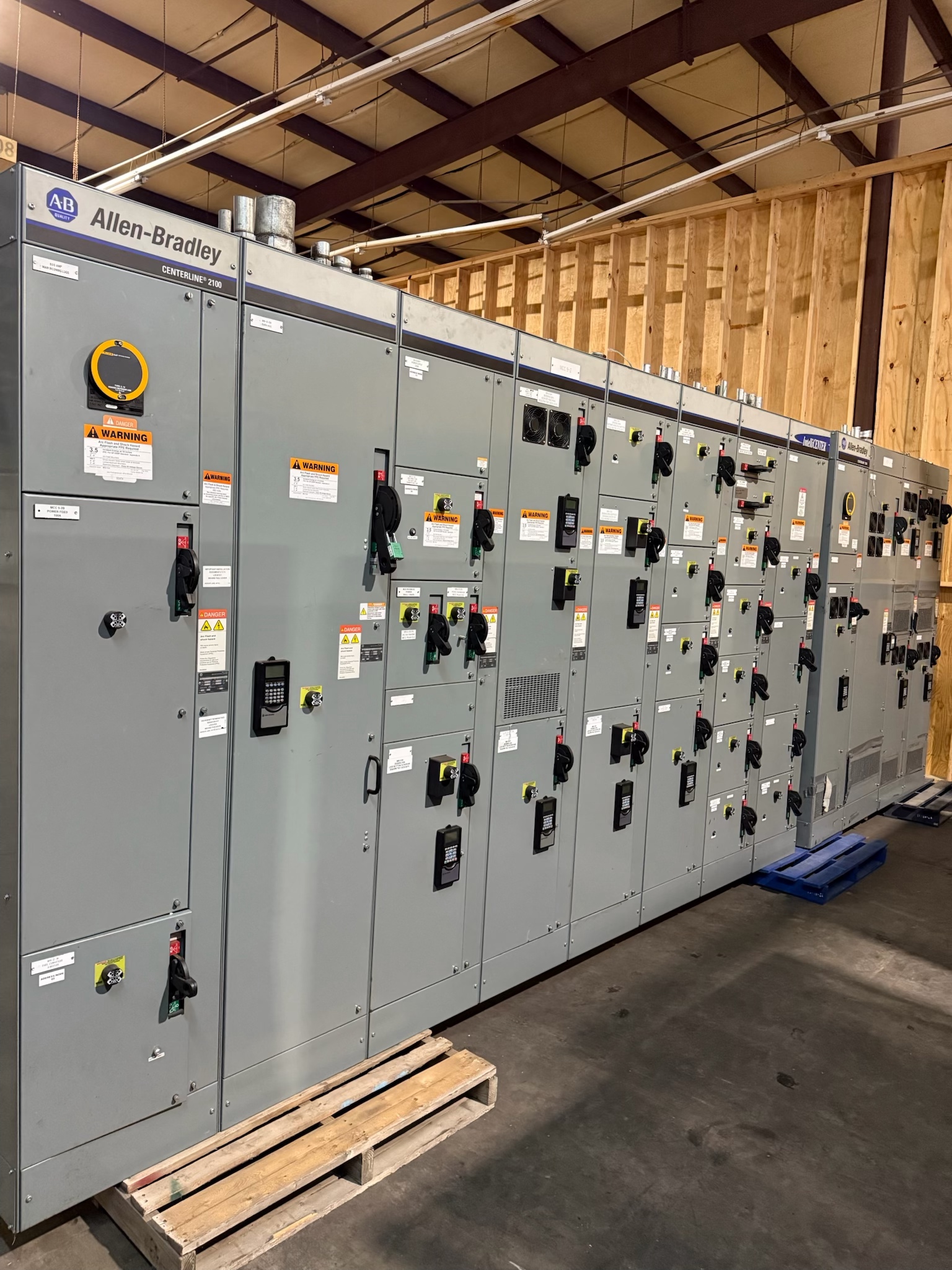
Records that can help frame the lift
Useful existing records may include equipment schedules, shipping papers, approved handling drawings, prior lift plans, asset lists, and project closeout documents. Share copies only if authorized and available; do not create missing records for a purchase inquiry. A record can help identify the equipment or document a previously stated weight, but its age, scope, and relation to the present configuration matter. A rigging specialist must determine what information is adequate for planning. We do not ask sellers to verify a recorded weight by measuring or handling switchgear.
Separate documented facts from open questions
Record what the paperwork actually says, then flag gaps rather than filling them with estimates. A listed shipping weight may not represent the current assembly or the load relevant to removal. Drawings may cover a different configuration, and lift-point references may be absent, unclear, or tied to a particular arrangement. Identify the document date and equipment reference when these are already shown. Do not infer safe lifting capacity, attachment locations, or handling suitability from a photograph or partial record. Those are matters for qualified rigging specialists under site controls.
Keep electrical ratings in their own lane
Lift documentation and electrical ratings answer different questions. If existing records state nominal system voltage, assembly voltage, continuous current, device frame, trip rating, or interrupting rating, keep each value tied to its label and source; do not treat the terms as interchangeable. A rating may be omitted from a lift file or refer to a component rather than the complete assembly. No seller testing or measurement is needed for a purchase assessment. Electrical identification or work, when required, belongs only to qualified, authorized personnel following site rules.
Share information without approaching equipment
Send available files through an approved site channel and note which details are unknown. If photographs are permitted and useful, provide only images of safely accessible equipment exteriors and exterior labels or nameplates, taken from site-authorized safe positions. Never open a cabinet or provide interior photographs. Do not approach, touch, open, operate, test, disconnect, remove, or move equipment that is energized or potentially energized. No seller staging, fabrication, testing, or equipment preparation is required to request a review. Site access restrictions and safety procedures take priority over gathering additional information.
What a buyer review does—and does not—decide
Existing records help us assess whether there may be a purchase opportunity; they do not establish that an asset is suitable to lift or that we will accept it. We assess each offer and acceptance individually, with no guaranteed price or timing. We make cash offers and pay upfront for agreed purchases. The review may consider equipment identity, available records, condition information already held, and practical removal constraints. It is not an engineering approval, a lift plan, a promise to remove every listed item, or a substitute for site authorization.
Agree removal responsibilities before scheduling
For an agreed purchase, the buyer covers necessary crane, rigging, disconnects, loading, freight, and hauling as agreed for that transaction. The seller does not hire or pay a removal crew. Scope and access arrangements must be settled before work is scheduled; site rules govern access, permits, and coordination. Any electrical work must be performed by qualified, authorized personnel under those rules. The buyer’s removal arrangements apply to the purchased equipment and agreed scope, not to general demolition, unrelated work, or hazardous-material remediation.
Prepare a clear handover in Georgia
A practical handover can list the equipment the seller believes is included, the records being shared, known access limits, and unresolved questions about weight or lift documentation. Identify the site contact authorized to coordinate next steps without asking anyone to handle the equipment. A Georgia location does not change the need for a site-specific review by the responsible specialists. We purchase used, surplus, and decommissioned equipment across all voltage classes, including from decommissioned data centers and shut-down power plants; every proposed purchase remains subject to individual assessment and agreement.