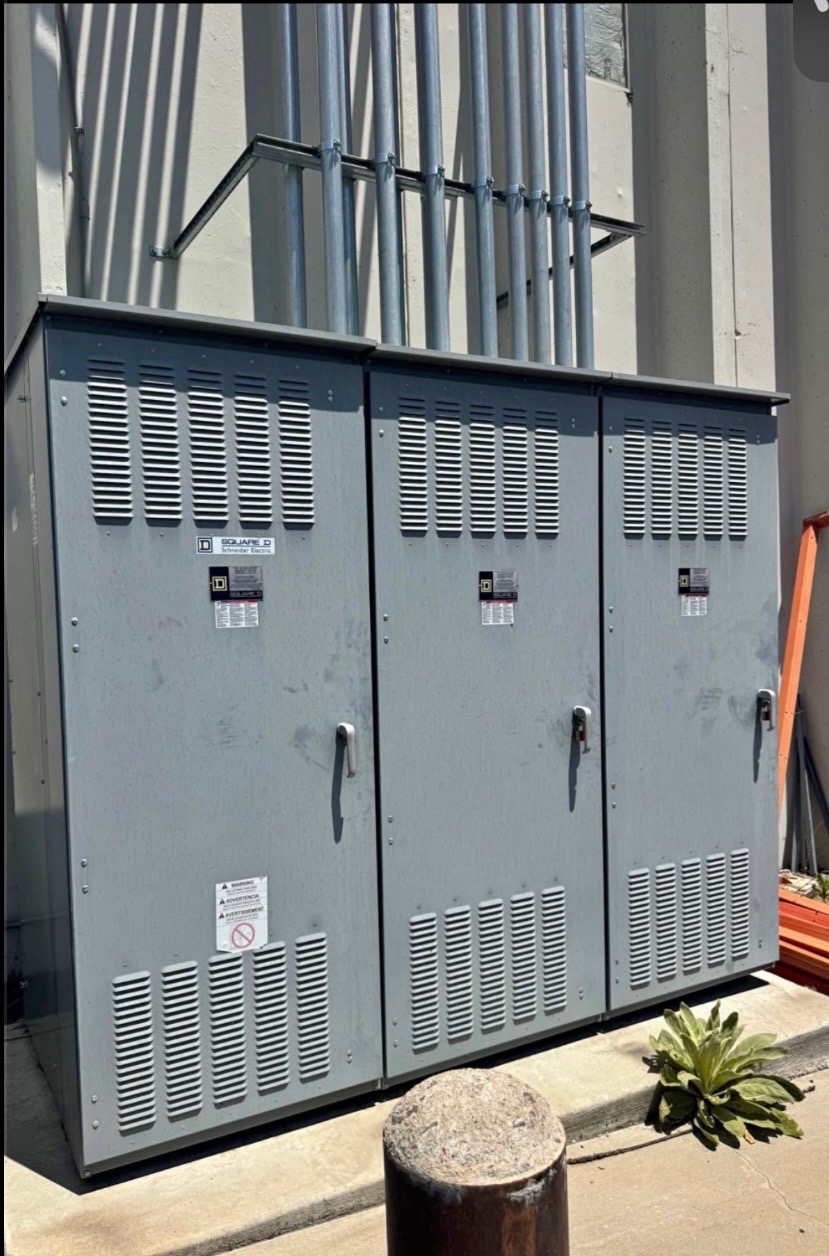
Define the disposition boundary first
On an upgrade, the construction contractor may own work inside a project scope while the equipment owner controls surplus assets. Identify which switchgear sections, associated devices, and loose components are being considered, using existing asset lists or project documents where available. Do not assume that adjacent gear, bus connections, protection devices, or spare parts belong in the same sale. The buyer assesses each proposed purchase individually and may exclude items that are outside the agreed scope or cannot be accepted. Name the person authorized to approve disposition and the project contact who can coordinate access; this avoids conflicting instructions without asking anyone to alter the equipment.
Use records to describe the switchgear
Existing nameplate records, equipment schedules, drawings, and maintenance or project documents can help distinguish a complete lineup from an incomplete assembly. If records state ratings, preserve their terminology: nominal system voltage, assembly voltage, and continuous-current rating are separate details; device frame, trip, and interrupting ratings are not interchangeable. Do not derive missing values or treat a drawing as confirmation of present condition. Seller testing is not required to request an assessment. If useful and permitted, share photographs only of safely accessible exterior surfaces and exterior labels or nameplates, taken from site-authorized safe positions. Never open a cabinet or take interior photographs; do not approach equipment that may be energized to obtain images.
Make upgrade and removal scopes explicit
Clarify in writing which contractor is responsible for construction activities and which party can authorize access for a potential purchase handoff. The buyer’s scope is limited to equipment included in an agreed purchase; it does not automatically include construction completion, building demolition, or hazardous-material remediation. If a purchase is agreed, the buyer covers the necessary crane, rigging, disconnects, loading, freight, and hauling for that transaction. The seller is not expected to hire or pay a removal crew. Those cost responsibilities depend on the agreed scope and site coordination, so identify access constraints, scheduling contacts, and any contractor interfaces before setting a handoff date.
Keep electrical work under site control
Do not approach, touch, open, operate, test, disconnect, remove, move, or handle switchgear that is energized or could be energized. Any electrical work—including isolation or other actions needed to prepare an approved handoff—belongs solely to qualified personnel authorized by the site and must follow its safety procedures. A buyer’s interest or purchase agreement is not permission to access or manipulate equipment. The site’s responsible authority determines whether and when access can occur, who may perform work, and what controls apply. If safe access or authorization is unavailable, pause the handoff discussion until the site contact can establish an approved path; do not use photographs or remote advice as a substitute.
Assess completeness and uncertainties honestly
Medium-voltage switchgear can be proposed as a lineup, selected sections, or a partial package, but physical completeness and condition may be uncertain from records alone. Note known exclusions, missing documents, unclear ownership, or components assigned to another contractor. Share those uncertainties rather than asking site staff to inspect internals or conduct measurements. The buyer makes a case-by-case decision on whether to proceed and on what scope; an assessment is not a promise to accept every asset. Cash offers are made for agreed purchases, with payment upfront under the agreed transaction terms. Neither an offer amount nor the timing of an assessment or pickup is guaranteed before the individual review is complete.
Plan the handoff without creating extra site work
Once scope and authorization are settled, coordinate the receiving contact, access window, contractor interfaces, and any site-specific loading constraints with the buyer. Confirm what records accompany the equipment and which items are explicitly excluded. Do not stage, move, or prepare the switchgear for collection; the buyer arranges and pays for the necessary removal and transport services for an agreed purchase. The site should still control access and ensure that only its authorized, qualified personnel perform electrical work under site rules. These boundaries help a Roswell-area upgrade team avoid assigning disposition tasks to the wrong contractor while keeping the proposed sale separate from unrelated project or remediation obligations.